
Weather · Mountain advice
Imlil Weather: Forecast and Seasonal Advice
A hot day in the plains doesn't guarantee the same feel at altitude. The season, wind, exposure and time of day quickly change how comfortable a walk feels.
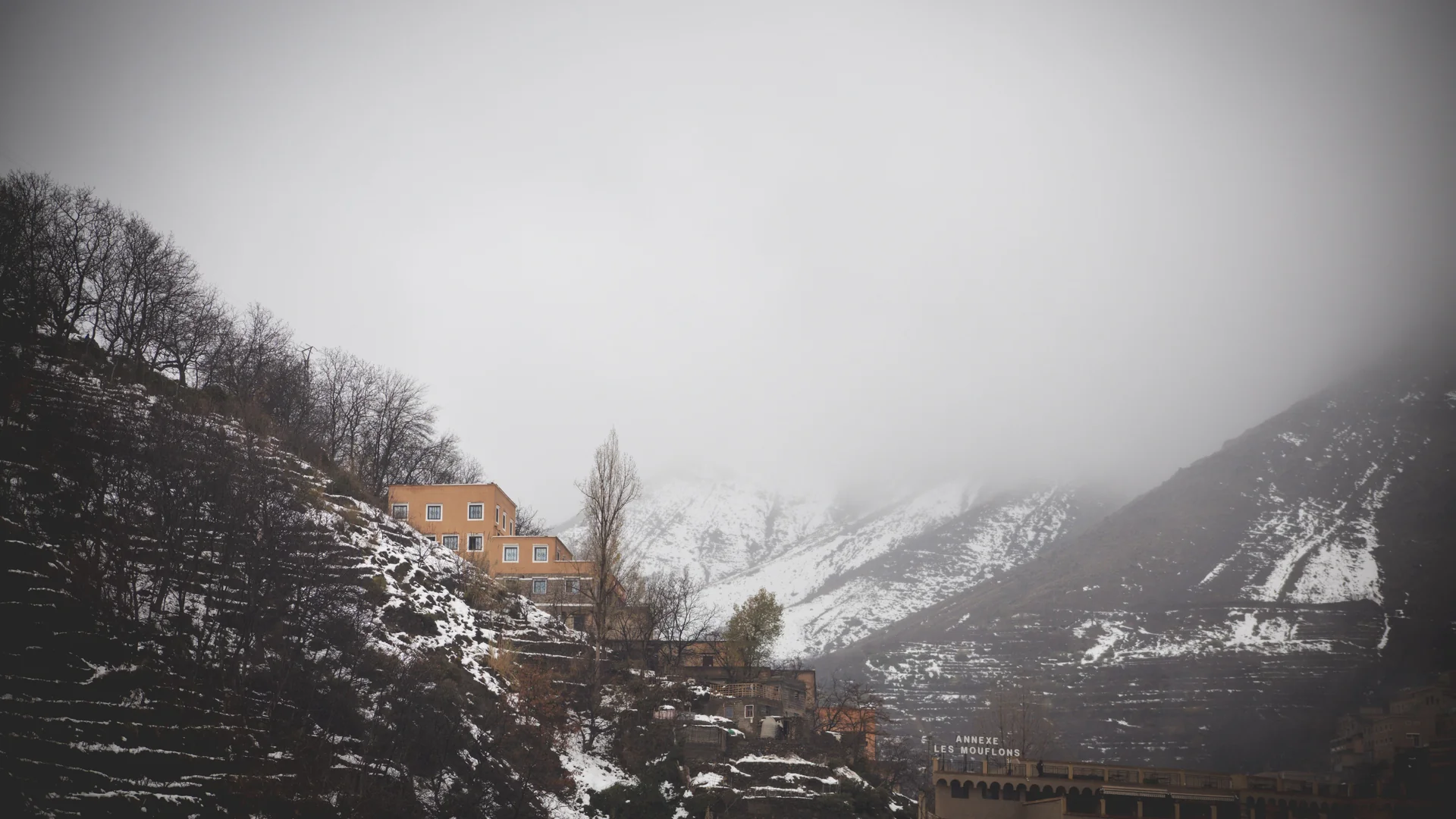
- Altitude
- ≈ 1 740 m
- Habit to keep
- Check on the day itself
- Clothing
- Several layers
- Best seasons
- Spring and autumn
- Winter
- Snow possible at altitude
Where can you find a reliable weather forecast for Imlil?
Imlil doesn't always have its own weather station in consumer-facing services: some tools actually display the forecast for Marrakech or a nearby area, which can throw off the altitude estimate. For a 10- to 15-day forecast, use a weather service geared toward mountains and search specifically for "Imlil" or, failing that, the Toubkal massif. Whatever source you check in advance, always check again the day before or the day itself: forecast reliability drops the further out you look.
- ✓Favour a mountain-focused service over a general city forecast
- ✓Compare two sources if possible before a committing outing like Toubkal
- ✓A 15-day forecast stays indicative, not a guarantee
- ✓Your guide on the ground often has a sharper read on local conditions
Why does the weather in Imlil differ from Marrakech?
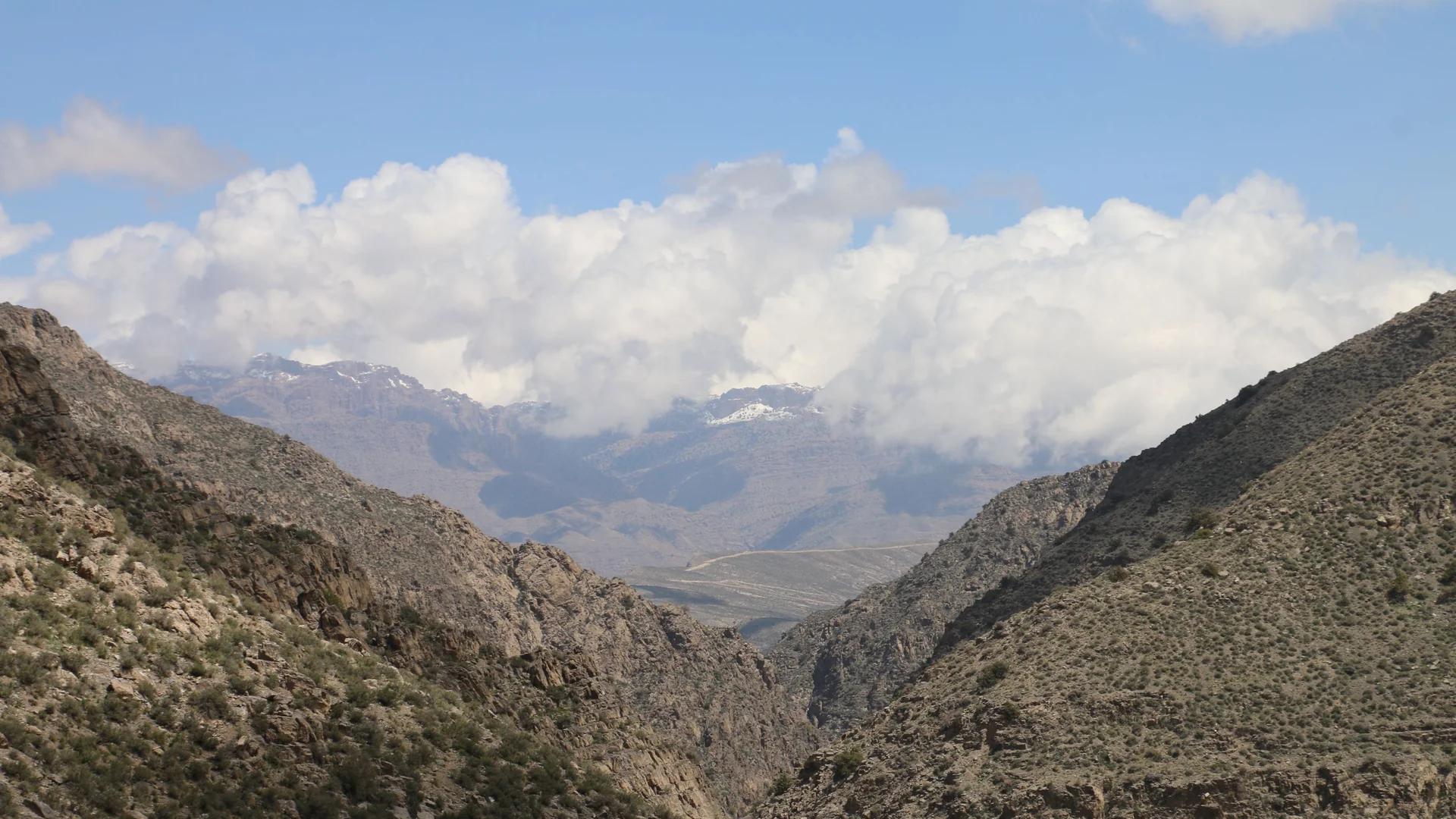
Altitude changes everything: at 1,700–1,800 metres, the air cools faster in the evening and morning, even when Marrakech is having a hot day. Sun exposure, wind and time of day also make the felt temperature vary a lot over the course of a single day.
- ✓Marrakech sits in the plains, at a much lower altitude than Imlil
- ✓The temperature gap between the two towns can be noticeable, especially morning and evening
- ✓The higher you go toward the Toubkal massif, the closer conditions get to high mountain conditions
- ✓Wind at altitude sharpens the feeling of cold, even when the thermometer stays moderate
What are spring and autumn like in Imlil?
These periods can offer lovely walking conditions, but the gaps between morning, daytime and evening stay significant.
Spring
Days gradually warm up, with vegetation turning green again in the valley. Mornings often stay cool, particularly early in the season.
Autumn
Conditions are generally stable, with days still pleasant for walking, though they shorten as the season goes on.
What's summer like in Imlil?
Set off prepared for sun and heat during exertion, while keeping an extra layer for exposed areas and the end of the day. Early starts generally let you enjoy milder temperatures before the heat sets in.
- ✓Strong sun protection remains essential, even at altitude
- ✓Shade becomes scarcer on some exposed trails
- ✓Evenings generally stay cooler than daytime, a light layer stays useful
- ✓It's a popular period for hiking and the Toubkal ascent
What to expect in winter in Imlil?
Cold, snow and frost can significantly change routes. An outing at altitude then requires suitable equipment and a careful assessment.
- ✓Snow can appear as early as the first slopes around the village
- ✓Some trails become more technical and require experience
- ✓Days are shorter: plan your timings accordingly
- ✓Warm clothing remains useful even for a simple visit to the village
What difference does the weather make for a hike or trek?
Beyond comfort, the weather can directly determine whether a route is feasible. A multi-day trek or a Toubkal ascent demands particular attention to the forecast, far more than a simple walk around the village.
How can you picture an overview of the four seasons?
| Season | Key point |
|---|---|
| Spring | Lovely walking conditions, still-marked temperature gaps |
| Summer | Heat during exertion, cool at altitude and in the evening |
| Autumn | Generally stable conditions, days getting shorter |
| Winter | Cold, snow possible, suitable equipment needed |
What weather checklist should you follow before setting off?
Check temperature, rainfall, wind and the state of the trails. Adapt or postpone the route if conditions go beyond your experience.
- ✓Expected temperature in the morning, daytime and evening
- ✓Rainfall and risk of storms
- ✓Wind, especially on ridges or passes
- ✓State of the trail after rain or snow
How do you adapt the plan to the day's forecast?
A forecast isn't only useful for choosing clothing: it helps decide the duration, altitude and exposure of the route. Ask for the real state of the trails on site when rain, snow or wind have been forecast.
Choose a guided hike suited to the conditions
| Forecast conditions | Sensible decision |
|---|---|
| Stable weather and good visibility | Keep the planned route with suitable equipment |
| Marked heat | Set off early, reduce exposure and plan more water |
| Recent rain | Check damp sections and choose a less slippery route |
| Strong wind or storm | Avoid ridges and altitude, shorten or postpone the outing |
| Snow or frost | Have the necessary gear and guiding confirmed |
Which season should you choose depending on your plans?
There isn't a single 'best' season: it mainly depends on what you want to do. Spring and autumn offer the broadest compromise, with pleasant walking conditions and temperature swings easier to handle than in summer or winter.
For a simple visit to the village
Almost every season works, as long as you adapt your clothing to the day's conditions.
For a regular hike
Spring and autumn remain the most comfortable periods, with fewer temperature extremes than in the height of summer or winter.
For the Toubkal ascent
The period chosen directly influences the difficulty level: winter conditions demand different equipment and experience from a summer ascent.
What the weather doesn't change
Some things stay constant whatever the season: altitude always produces a temperature gap with Marrakech, mornings and evenings are almost always cooler than midday, and conditions can shift quickly in the mountains, whatever month you visit.
How does the weather influence the choice between an excursion and a hike?
Poor conditions don't necessarily rule out a visit to Imlil, but they can steer the choice of format. In uncertain weather, an excursion with a moderate walk stays easier to adjust than a committed, multi-hour hike, where a change in weather partway through makes the return trickier.
What should you do if the weather turns on the day of your visit?
A change in weather doesn't necessarily mean cancelling the outing. Your guide can generally suggest a fallback route, shorter or less exposed, rather than giving up entirely. Good practice is to discuss it openly with them as soon as the first signs of change appear, rather than insisting on the original plan.
- ✓Moderate rain generally doesn't prevent a short walk with suitable gear
- ✓Strong wind on a ridge often justifies staying on a lower route
- ✓A forecast storm should lead to postponing any outing at altitude
Frequently asked questions
What you need to know
Where can I see the Imlil weather forecast for 15 days?+
Use a mountain-focused weather service and search for "Imlil" or, if that station isn't available, the Toubkal massif. A 15-day forecast remains a general trend: check it again as your departure gets closer.
Where can I see the Imlil weather forecast for 10 days?+
The same principle applies as for 15 days: a shorter window is generally more reliable, but keep checking again right up until the day before your outing.
Is it colder in Imlil than in Marrakech?+
Generally yes, because of the altitude. The felt difference varies with the season, the time of day and the wind.
What's the best time to visit Imlil?+
Spring and autumn often offer the most pleasant walking conditions, with fewer extreme swings than in summer or winter.
Does it snow in Imlil in winter?+
Yes, snow is possible in winter, especially at altitude. Check conditions and the necessary equipment before an outing.
Should you check the weather on the day itself?+
Yes, mountain conditions can change quickly: a forecast from the day before may no longer be accurate.
What clothing should you plan for an excursion to Imlil?+
Layered clothing, adaptable to temperature and wind, plus sun protection even in cool weather.
Can the weather prevent a multi-day trek?+
Yes, poor conditions at altitude can lead to adjusting or postponing certain stages. Your guide assesses conditions before and during the trek.
What altitude is Imlil exactly at?+
The village sits at around 1,740 metres of altitude, which explains cooler conditions than in Marrakech, especially in the morning and evening.
Does it rain often in Imlil?+
Rainfall varies with the season, generally with more moisture in spring and autumn. Always check a recent forecast before setting off rather than relying on a general trend.
Is fog common in the mountains around Imlil?+
It can appear from time to time, particularly early in the morning or after a spell of rain, especially at altitude. It generally clears during the morning, but may justify waiting before setting off on an exposed route.
Do you need treatment against altitude sickness in Imlil?+
The village itself sits at a moderate altitude that generally doesn't pose a problem. The question matters more for a Toubkal ascent, where the altitude reached is significantly higher: discuss it with your guide if you have a history of it.